
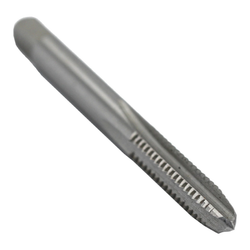
Taps
-
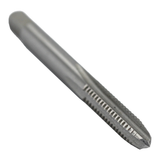 Hand Taps (Bolt Taps)
-
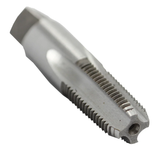 NPT (National Pipe Thread) Taps
-
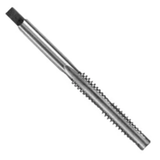 Acme Taps
-
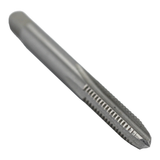 British Standard Taps
-
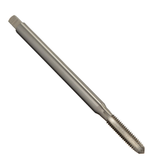 Extension Taps
-
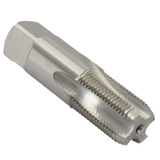 NPS (National Pipe Straight) Taps
-
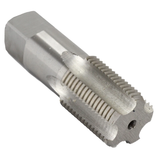 Garden Hose Taps
-
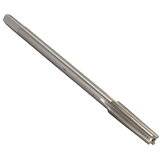 Nut Taps
-
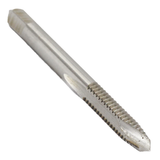 Spiral Pointed Taps
-
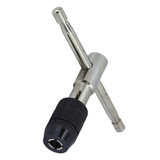 Tap Wrenches
Thread Cutting Taps for Metalworking
Shop a wide selection of thread cutting taps at DrillsandCutters.com. Whether you're creating new internal threads, repairing damaged threads, or working with pipe fittings, we carry taps for metalworking, maintenance, fabrication, and industrial applications.
Our most popular categories include Hand Taps (Bolt Taps) for general-purpose threading and NPT Pipe Taps for tapered pipe threads. We also offer specialty taps, threading accessories, and helpful resources for choosing the correct tools.
Need help finding the correct drill size? Start with our Tap and Drill Chart or NPT Tap Drill Chart.
Hand Taps (Bolt Taps)
Hand taps are among the most commonly used threading tools. They create internal threads for bolts and screws in drilled holes and are widely used in fabrication, machine shops, maintenance, and repair work.
Taper Taps
Taper taps feature a longer chamfer that helps start threads gradually and maintain alignment. They are useful when beginning a new thread, particularly during manual tapping.
Plug Taps
Plug taps are a popular general-purpose choice for threading through holes and suitable blind holes. Their intermediate chamfer provides a balance between starting ability and usable thread depth.
Bottoming Taps
Bottoming taps have a short chamfer designed to produce threads closer to the bottom of blind holes. They are commonly used after a hole has already been started with a taper or plug tap.
Inch and Metric Hand Taps
Choose the correct diameter, thread pitch, and standard for your application. Common thread types include UNC (coarse), UNF (fine), and metric threads. Use our Tap and Drill Chart or Metric Tap Drill Calculator to help determine the correct drill size.
NPT Pipe Taps
NPT Pipe Taps create tapered internal pipe threads used in piping systems, fittings, equipment, and industrial applications. National Pipe Taper (NPT) threads are designed for tapered threaded connections that generally require an appropriate thread sealant.
High-Speed Steel NPT Taps
HSS NPT Taps are designed for cutting tapered pipe threads in suitable metals. High-speed steel offers a useful combination of toughness and cutting performance for production, fabrication, and maintenance applications.
Carbon Steel NPT Taps
Carbon Steel NPT Taps provide an economical option primarily for cleaning, chasing, and repairing existing pipe threads.
Interrupted Thread NPT Taps
Interrupted Thread NPT Taps feature a specialized cutting design that reduces cutting contact and can help manage chips and cutting resistance in certain applications.
Choosing the Correct NPT Drill Size
NPT sizes refer to nominal pipe sizes, not the actual outside diameter of the tap. Before tapping a new hole, consult our NPT Tap Drill Chart to identify the appropriate drill size for your application.
Other Types of Thread Cutting Taps
In addition to hand taps and NPT pipe taps, we offer specialized threading tools for a variety of applications and thread standards.
Spiral Pointed Taps
Spiral Pointed Taps, also known as gun taps, push chips forward during cutting. They are commonly used for through-hole threading and suitable machine tapping operations.
NPS Pipe Taps
NPS pipe taps produce straight internal pipe threads rather than the tapered threads created by NPT taps. They are used in applications requiring a parallel pipe thread form.
Acme Taps
Acme taps create trapezoidal internal threads commonly used in lead screws, mechanical movement systems, and power transmission applications.
British Standard Taps
British Standard taps are designed for specified British thread forms used in machinery, industrial equipment, and specialized maintenance applications.
Extension, Nut, and Specialty Taps
Extension taps provide additional reach for recessed holes, while nut taps and other specialty threading tools serve applications requiring specific tool geometries or thread configurations.
How to Choose the Right Tap
Identify the Thread Size and Pitch
Start with the required thread diameter and pitch. Inch threads typically specify threads per inch (TPI), while metric threads specify pitch in millimeters. Use our Tap and Drill Chart to help identify standard thread sizes and matching drill diameters.
Determine the Thread Standard
Confirm whether your application requires UNC, UNF, metric, NPT, NPS, Acme, or another thread form. Similar nominal sizes do not necessarily mean the threads are interchangeable.
Consider Through Holes vs. Blind Holes
Through holes allow chips to exit the opposite side of the workpiece, while blind holes have a closed bottom. Tap style and chip evacuation are important considerations when selecting tools for each application.
Match the Tap to the Workpiece Material
Steel, stainless steel, aluminum, cast iron, and other materials have different cutting characteristics. Choose a suitable tap material, cutting geometry, and lubricant for the application.
Select the Correct Tap Drill Size
The drilled hole must be properly sized before tapping. An undersized hole can increase cutting torque and breakage risk, while an oversized hole may result in insufficient thread engagement. Use our Special Tap and Drill Size Calculator or Metric Tap Drill Calculator to help determine the appropriate drill size.
Tips for Accurate Thread Cutting
Start with the Correct Drill Size
Verify the recommended tap drill diameter before cutting threads. Our Tap and Drill Chart provides a useful reference for common threading applications.
Keep the Tap Properly Aligned
Start the tap square to the workpiece to reduce the risk of crooked threads, binding, and tool breakage. Use a suitable tap wrench or tapping guide for manual operations. Consult our Tap Wrench Chart for guidance on selecting the correct wrench size.
Use Appropriate Cutting Fluid
Suitable tapping fluid helps reduce friction, control heat, and improve thread finish. Select lubrication appropriate for the workpiece material and tapping operation.
Manage Chips Carefully
Chip accumulation can increase cutting resistance and damage the tap. Choose the appropriate tap geometry and chip evacuation technique based on the material and whether the hole is blind or through.
Avoid Excessive Force
If the tap begins to bind, stop and determine the cause rather than forcing it. Check hole size, alignment, lubrication, chip accumulation, and tool condition.
Frequently Asked Questions About Taps
What is a tap used for?
A tap is a cutting tool used to create internal threads in a drilled hole. These threads allow compatible bolts, screws, fittings, and other threaded components to be installed. Browse our Hand Taps for general-purpose threading applications.
What is the difference between a tap and a die?
A tap creates or restores internal threads inside a hole, while a die cuts or restores external threads on a rod, bolt, or similar component.
What is the difference between UNC and UNF taps?
UNC stands for Unified National Coarse, while UNF stands for Unified National Fine. At the same nominal diameter, UNF threads have a finer pitch and more threads per inch than UNC threads. Our Tap and Drill Chart can help identify matching drill sizes.
What is the difference between NPT and NPS taps?
NPT taps produce tapered pipe threads, while NPS taps produce straight pipe threads. They serve different connection requirements and should not be substituted without checking the applicable specifications. Explore our NPT Pipe Taps for tapered pipe threading.
Which tap is best for a blind hole?
The best choice depends on the material, required thread depth, and chip evacuation needs. Bottoming taps can cut closer to the bottom of a blind hole, while suitable spiral flute taps may help draw chips out during machine tapping.
How do I determine the correct tap drill size?
Use the nominal thread diameter, pitch, thread standard, and desired thread engagement to select the proper drill size. Our Special Tap and Drill Size Calculator and Metric Tap Drill Calculator can help with these calculations.
Can I use the same tap for steel and aluminum?
Some taps can be used in multiple materials, but cutting geometry, coating, lubrication, and operating conditions may differ. Select a tap suitable for the specific material and application.
Tap Drill Charts, Calculators, and Threading Resources
Choosing the correct tap is only part of successful threading. Use our free reference charts and calculators to help select drill sizes, identify thread specifications, and choose the right accessories.
Tap and Drill Chart
Find common tap drill sizes for inch and metric threads. A useful reference when preparing holes for general-purpose tapping.
NPT Tap Drill Chart
Identify recommended drill sizes for National Pipe Taper threads before using NPT pipe taps.
Special Tap and Drill Size Calculator
Calculate drill sizes for nonstandard inch thread sizes and pitches, including applications not covered by common tap drill charts.
Metric Tap Drill Calculator
Determine suitable drill sizes for metric threads using the nominal diameter and thread pitch.
Tap Wrench Chart
Find guidance on selecting a suitable tap wrench for manual threading operations.
Ready to get started? Browse our Hand Taps or NPT Pipe Taps to find the right tool for your application.
Learn More About Taps and Thread Cutting
Explore Drill America's threading tools and learn more about selecting taps for metalworking, maintenance, fabrication, and specialized threading applications.
Whether you're choosing a general-purpose hand tap or an NPT pipe tap, selecting the correct tool and drill size is essential for producing accurate threads.