
Reamers
-
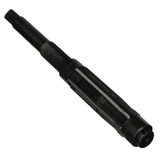 Adjustable Hand Reamers
-
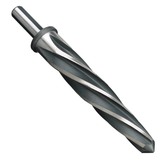 Bridge/Construction Reamers
-
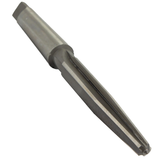 Car Reamers
-
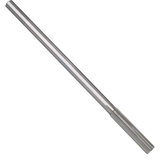 Chucking Reamers
-
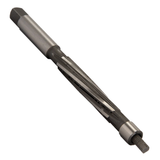 Expansion Reamers
-
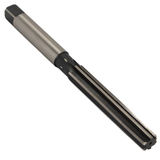 Hand Reamers
-
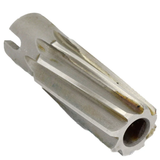 Shell Reamers
-
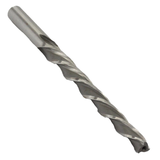 Taper Pin Reamers
-
 Taper Pipe Reamers
Reamers for Structural Steel, Hole Alignment and Precision Machining
Shop Drill America and Qualtech reamers for enlarging, aligning, sizing, and finishing existing holes. Our selection emphasizes Bridge and Construction Reamers for structural steelwork and Chucking Reamers for accurate hole finishing in machine shops and manufacturing.
Choose the right reamer for your job: bridge reamers help align overlapping bolt or rivet holes during steel construction, while chucking reamers remove a controlled amount of material to bring a predrilled hole to its required finished size.
Shop Our Most Popular Reamer Types
Bridge and Construction Reamers
Designed to enlarge and align existing holes in structural steel, bridge reamers have tapered cutting ends that help enter offset or overlapping holes. Common applications include steel erection, fabrication, bridgework, and field repairs before bolt or rivet installation.
Chucking Reamers
Chucking reamers are used to finish predrilled or previously machined holes to an accurate diameter with a consistent surface finish. They are commonly used with drill presses, lathes, machining centers, and other rigid machine tools.
Bridge and Construction Reamers for Steel Fabrication
Bridge reamers, also called construction reamers, are made for existing holes that need alignment or enlargement. Their tapered entry helps guide the cutter into misaligned holes in connected steel members. Choose a shank and flute design suited to the equipment and application.
1/2" Shank Bridge Reamers
Popular for portable drilling applications, these reamers provide bridge-reamer cutting geometry with shanks sized for compatible equipment. Selected Drill America KFD black-and-gold models feature flats on the shank for improved grip.
Hex Shank Bridge Reamers
Heavy-duty hex shanks are designed for compatible portable equipment where secure drive engagement is important. Confirm the tool holder and operating requirements before selecting a hex shank reamer.
Spiral and Straight Flute Taper Shank Bridge Reamers
Taper shank bridge reamers are available in straight and spiral flute configurations. Select the appropriate style based on the machine, workpiece, hole condition, and desired cutting action.
Bridge Reamer Sets
For steelworkers who need several common diameters, a bridge reamer set can provide a convenient assortment. Drill America offers a five-piece HSS black-and-gold bridge reamer set with a 1/2" shank configuration.
Featured Product: 5-Piece HSS Bridge / Construction Reamer Set
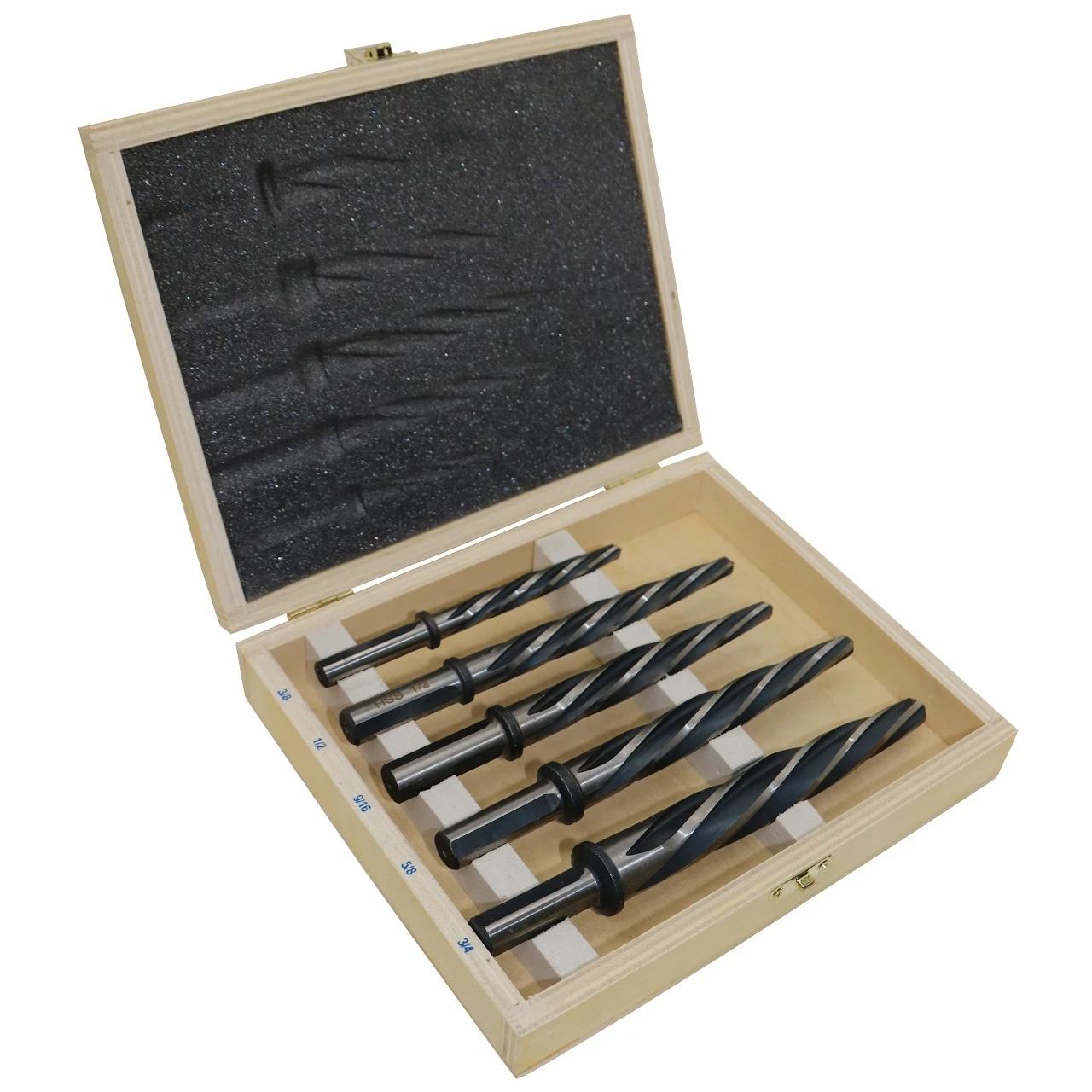
Drill America 5-Piece HSS Bridge / Construction Reamer Set
Keep a convenient assortment of bridge and construction reamers on hand for structural steel fabrication, hole alignment, and enlargement of existing holes. This five-piece high-speed steel set features 1/2" shanks and comes in a wooden storage case.
Ideal for steelworkers, fabrication shops, and maintenance crews that regularly work with overlapping or misaligned bolt holes.
Chucking Reamers for Accurate Hole Finishing
Unlike a bridge reamer, a chucking reamer is intended for precision sizing and finishing of a prepared hole. The hole is typically drilled slightly undersize, then reamed with a suitable tool, machine setup, speed, feed, and allowance.
High Speed Steel (HSS) Chucking Reamers
HSS chucking reamers are a versatile general-purpose choice for finishing holes in compatible metals. Select the correct diameter and flute geometry for the material and tolerance requirements.
Cobalt Chucking Reamers
Cobalt-alloy high speed steel offers additional hot-hardness for selected demanding machining applications. Choose the appropriate tool based on material, rigidity, and recommended cutting conditions.
Carbide Chucking Reamers
Carbide reamers provide high hardness and wear resistance for suitable precision machining applications, particularly with a rigid setup and appropriate cutting parameters.
HSS Dowel Pin Reamers
Dowel pin reamers are used to prepare accurate holes for locating pins and precision assemblies. Confirm the dowel pin fit, hole tolerance, and reamer specifications before machining.
Bridge Reamers vs. Chucking Reamers: Which Do You Need?
Choose a Bridge Reamer for Hole Alignment
If you are assembling structural steel and need to align or enlarge existing holes so bolts or rivets can be installed, a bridge or construction reamer is generally the appropriate category. These tools prioritize access and alignment rather than precision finishing to a close tolerance.
Choose a Chucking Reamer for Precision Diameter and Finish
If you need to bring a drilled hole to a specified finished diameter and improve its surface finish, choose a chucking reamer suited to the material and tolerance. Reamers follow the existing hole and are not a substitute for correcting major location errors.
Quick rule: Structural steel hole alignment = bridge reamer. Precision hole sizing = chucking reamer.
Other Reamer Types Available
Beyond bridge and chucking reamers, we carry specialized reamers for hand fitting, taper holes, and other machining applications.
Hand and Adjustable Hand Reamers
Used for controlled manual hole finishing and fitting. Adjustable styles cover a specified diameter range; they are not intended to replace a rigid machine reamer for every precision application.
Expansion Reamers
Selected expansion reamers permit limited adjustment within the manufacturer's specified range, commonly to compensate for wear or make a small sizing correction.
Shell Reamers
Shell reamers use a separate arbor and can be useful for larger hole-finishing applications where the replaceable cutting head format is appropriate.
Taper Pin and Taper Pipe Reamers
Taper pin reamers prepare tapered holes for matching pins. Taper pipe reamers prepare suitable tapered openings for subsequent operations; always select the correct taper and application.
Car Reamers
Car reamers are another option for enlarging existing holes in selected metalworking and repair applications. Review the specific design and dimensions before ordering.
How to Choose the Right Reamer
1. Identify the Job
Determine whether you need to align existing structural holes or finish a machined hole to a precise size. This is the most important distinction between bridge and chucking reamers.
2. Check Diameter and Cutting Allowance
For precision reaming, verify the target diameter and appropriate stock allowance for the material and tool. Removing too little or too much material can reduce hole quality and tool life.
3. Match Shank and Flute Style to the Equipment
Confirm the shank, holder, machine rigidity, and cutting direction. Straight flutes are common for general-purpose chucking reaming, while spiral flutes can be useful for interrupted holes or more demanding finish requirements.
4. Select the Appropriate Tool Material
HSS, cobalt, and carbide options suit different materials and operating conditions. Follow the manufacturer's recommendations for speed, feed, coolant, and setup.
5. Secure the Workpiece and Follow Safety Guidance
Use suitable eye protection, secure the workpiece, and operate only with compatible equipment. Do not exceed recommended cutting conditions or attempt to force a reamer into an unsuitable hole.
Frequently Asked Questions About Reamers
What is a reamer used for?
A reamer removes material from an existing hole to enlarge, align, size, or finish it. Different designs serve different purposes, including structural steel assembly and precision machining.
What is a bridge reamer?
A bridge reamer, also called a construction reamer, is designed to align and enlarge existing holes in structural steel, often before installing bolts or rivets. Its tapered entry helps guide it into overlapping holes.
What is a chucking reamer?
A chucking reamer is a machine reamer used to bring a prepared hole to a more accurate finished diameter and surface finish. It is commonly used in drill presses, lathes, and machining centers.
What is the difference between a bridge reamer and a chucking reamer?
Bridge reamers are designed primarily for enlarging and aligning existing structural holes. Chucking reamers are intended for more precise sizing and finishing of prepared holes.
Can I use a reamer to drill a new hole?
Reamers are generally designed to work in an existing hole, not to drill a hole from solid material. Prepare the hole with an appropriate drilling or boring operation first.
What is the difference between straight flute and spiral flute reamers?
Straight flutes are common for general-purpose reaming. Spiral flute designs can provide smoother cutting in certain materials and interrupted-hole applications, depending on the helix direction and tool design.
Are bridge reamers used in structural steel?
Yes. Bridge and construction reamers are commonly used during structural steel fabrication and erection to align or enlarge overlapping holes for fasteners.
Do chucking reamers come in HSS, cobalt and carbide?
Yes. Our chucking reamer categories include HSS, cobalt, and carbide options, along with HSS dowel pin reamers.
How much material should a chucking reamer remove?
The proper reaming allowance depends on the hole diameter, workpiece material, reamer design, and machining conditions. Follow the specific manufacturer's recommendation rather than using one allowance for every size.
Can a reamer straighten an off-center hole?
A precision chucking reamer generally follows the existing hole and should not be relied upon to correct major positional errors. Bridge reamers, by contrast, are specifically designed to help align overlapping structural holes.
Drill America Reamer Videos
Watch our videos featuring Drill America Chucking Reamers and Bridge Reamers.