

Carbide Burrs
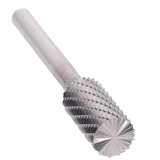
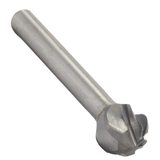
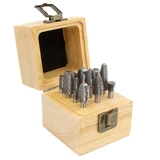
Solid Carbide Burrs for Grinding, Deburring and Metal Shaping
Shop Drill America solid carbide burrs for removing material, grinding welds, deburring edges, enlarging openings, and shaping metal components. Carbide burrs are precision rotary cutting tools commonly used with die grinders and compatible high-speed rotary equipment in metal fabrication, welding, machining, automotive repair, and industrial maintenance.
Our selection focuses on Double Cut Carbide Burrs, a popular choice for controlled material removal and general-purpose metalworking. We also offer carbide burrs for aluminum and assorted carbide burr sets in a variety of shapes, diameters, and shank sizes.
Why Choose Double Cut Carbide Burrs?
Double cut carbide burrs feature two intersecting sets of cutting teeth that break material into smaller chips. This cutting geometry provides controlled material removal and helps reduce chatter compared with many conventional single-cut designs.
Controlled Material Removal
Double cut burrs are ideal for grinding, deburring, weld blending, and shaping steel, stainless steel, cast iron, and other compatible metals. Their intersecting cutting edges produce smaller chips and provide excellent control during detailed metalworking.
Durable Solid Carbide Construction
Manufactured from hard, wear-resistant carbide, these rotary burrs retain their cutting edges under demanding conditions when operated correctly. They are suitable for production work, fabrication shops, maintenance departments, and professional tool users.
Versatile Shapes and Sizes
Choose cylindrical, ball, oval, flame, cone, tree, and other specialized profiles to match the surface or contour being machined. Different cutting head shapes make it easier to work on flat surfaces, inside corners, curved areas, slots, and hard-to-reach features.
Carbide Burr Shapes and Their Applications
Choosing the correct carbide burr shape is just as important as selecting the proper cutting diameter. Each profile is designed for different grinding, shaping, and finishing operations.
Cylindrical Burrs - Shape SA
Cylindrical carbide burrs feature a straight-sided cutting head and are commonly used for grinding flat surfaces, removing material from straight edges, and working along internal walls. They are a practical general-purpose shape for fabrication and machining.
Cylindrical End-Cut Burrs - Shape SB
These cutters combine cylindrical side-cutting geometry with cutting teeth on the end. They are useful for working on flat-bottom surfaces, internal corners, and applications requiring both side and end cutting.
Cylindrical Radius-End Burrs - Shape SC
Radius-end cylindrical burrs feature a rounded cutting end for blending corners, machining curved transitions, and smoothing internal contours. They are useful when a sharp internal corner is not desired.
Ball-End Burrs - Shape SD
Ball-shaped carbide burrs are designed for concave surfaces, rounded cavities, contouring, and detailed shaping. Their spherical cutting head allows the operator to work in multiple directions on curved surfaces.
Oval Burrs - Shape SE
Oval carbide burrs are useful for blending curved surfaces, smoothing contours, and removing material from rounded areas. Their elongated profile offers a combination of reach and smooth contouring capability.
Tree Radius-End Burrs - Shape SF
Tree-shaped burrs with rounded ends are useful for working along curved profiles, blending surfaces, and shaping rounded transitions. They are frequently used in fabrication, mold work, and general metal finishing.
Tree Pointed-End Burrs - Shape SG
Pointed tree burrs are designed for reaching narrow contours, detailed profiles, and difficult-to-access areas. Their tapered pointed geometry is useful for precision shaping and localized material removal.
Flame Burrs - Shape SH
Flame-shaped carbide burrs feature a smooth tapered profile suitable for blending curved surfaces, working on complex contours, and finishing areas that require a gradual transition.
Cone and Pointed Cone Burrs
Cone-shaped burrs are useful for chamfering, beveling, enlarging openings, and shaping angled surfaces. Pointed cone styles provide greater access to narrow features and detailed areas.
Inverted Cone and Angle Burrs
Inverted cone and angle-shaped burrs are designed for specialized machining operations such as undercutting, beveling, and working on angled features. Select the appropriate geometry based on the required profile and available clearance.
Understanding Carbide Burr Sizes and Shank Diameters
Carbide burrs are available in numerous cutting head diameters, cutting lengths, and shank configurations. Understanding these dimensions helps ensure that the tool fits the application and the equipment being used.
Cutting Head Diameter
Drill America carbide burrs are offered in cutting diameters ranging from approximately 1/16" to 1", depending on the style. Smaller diameters are useful for precision detailing and narrow areas, while larger diameters are better suited to broader surfaces and more substantial material removal.
1/4" Shank Carbide Burrs
The 1/4" shank is a common choice for industrial carbide burrs and is designed for compatible die grinders and rotary tools. These burrs are widely used in welding shops, fabrication facilities, machine shops, and maintenance operations.
1/8" Shank Miniature Carbide Burrs
Miniature carbide burrs with 1/8" shanks are designed for smaller compatible rotary tools and detailed work. They are useful for precision deburring, small contours, tight spaces, and delicate shaping operations.
6" Extended-Length Carbide Burrs
Selected carbide burr shapes are available in extended 6" overall lengths for accessing recessed or hard-to-reach areas. Because extended-length tools are more susceptible to vibration and deflection, always follow the manufacturer's operating speed and safety recommendations.
Understanding Carbide Burr Size Codes
Many carbide burrs use standard trade designations such as SA-5, SC-5, SD-5, and SF-5. The letters identify the cutting head shape, while the number identifies a particular size within that shape family. Always check the actual cutting diameter, cutting length, and shank size in the product specifications.
Double Cut Carbide Burrs vs. Carbide Burrs for Aluminum
Double Cut Carbide Burrs for Steel and Stainless Steel
Double cut carbide burrs are commonly selected for steel, stainless steel, cast iron, and other compatible metals. Their intersecting teeth create smaller chips and provide controlled cutting action, making them particularly useful for weld removal, deburring, shaping, and general metal finishing.
Carbide Burrs for Aluminum and Non-Ferrous Metals
Aluminum-cut carbide burrs use tooth geometry designed to help produce larger chips and reduce material loading when machining softer, gummy metals. They are a better choice for many aluminum applications where standard fine-tooth burrs may become clogged.
Which should you choose? For general steel and stainless steel grinding, double cut carbide burrs are a versatile starting point. For aluminum and other soft non-ferrous materials, choose a burr specifically designed for aluminum cutting.
Common Applications for Solid Carbide Burrs
Weld Grinding and Weld Blending
Remove excess weld material, smooth welded joints, and blend surrounding metal surfaces during fabrication and repair operations.
Deburring and Edge Finishing
Remove sharp edges, burrs, and unwanted material left behind by drilling, milling, cutting, and other machining processes.
Hole Enlargement and Porting
Enlarge existing openings, modify internal profiles, and shape passages in compatible metal components using the appropriate burr geometry.
Automotive and Engine Work
Perform metal shaping, port work, component modifications, and localized grinding on suitable automotive and mechanical parts.
Mold, Die and Precision Machining
Shape complex contours, blend curved surfaces, and remove material from detailed features in compatible workpieces.
Industrial Maintenance and Repair
Clean up damaged components, remove unwanted metal, prepare surfaces, and perform repairs in machinery and equipment maintenance.
Carbide Burr Sets for Multiple Applications
For users who regularly work with different shapes and contours, carbide burr sets provide a convenient selection of cutting profiles in one package. Sets are useful for fabrication shops, maintenance departments, automotive technicians, and general metalworking.
12-Piece Carbide Burr Set
The Drill America 12-Piece Carbide Burr Set (DUL1SET) includes a variety of double cut shapes such as cylindrical, ball, oval, tree, flame, and cone styles. All burrs in this set feature 1/4" shanks.
8-Piece Carbide Burr Set
The Drill America 8-Piece Carbide Burr Set (DUL4SET) includes SA1, SC1, SD1, SE1, SF1, SG1, SM2, and SN1 shapes with 1/4" shanks. It provides several useful cutting profiles in a convenient case.
Miniature 11-Piece Carbide Burr Set
The Drill America DUL5SET contains 11 miniature carbide burrs with 1/8" shanks for precision detailing and smaller rotary tool applications.
Explore our Carbide Burr Sets category for additional assortments.
Tips for Using Carbide Burrs Safely and Effectively
1. Choose the Right Shape and Cut
Select a burr shape that matches the surface being machined. Use double cut burrs for controlled cutting in suitable metals and aluminum-cut burrs for applications where material loading is a concern.
2. Match the Shank to the Equipment
Use a compatible die grinder or rotary tool with the correct collet size. Ensure the shank is securely clamped according to the tool manufacturer's instructions.
3. Follow Recommended Operating Speeds
Maximum allowable RPM depends on burr diameter, length, shank configuration, and manufacturer specifications. Larger or extended-length burrs may require reduced speeds. Never exceed the rated operating speed.
4. Use Controlled Pressure
Allow the cutting teeth to remove material without forcing the burr into the workpiece. Excessive pressure, side loading, or sudden engagement can damage the tool and reduce control.
5. Secure the Workpiece and Wear Protection
Secure the workpiece, wear suitable eye and face protection, and follow the equipment manufacturer's safety instructions. Keep hands clear of the rotating cutter and allow it to stop completely before handling.
Frequently Asked Questions About Carbide Burrs
What are carbide burrs used for?
Carbide burrs are rotary cutting tools used for grinding, deburring, shaping, weld removal, hole enlargement, and surface blending. They are commonly used in metal fabrication, welding, machining, automotive repair, and industrial maintenance.
What is a double cut carbide burr?
A double cut carbide burr has two intersecting sets of cutting teeth. This geometry produces smaller chips and provides controlled material removal, making it useful for general-purpose metalworking and deburring.
What is the difference between single cut and double cut carbide burrs?
Single cut burrs have one primary direction of cutting teeth and can produce larger chips. Double cut burrs feature intersecting teeth that break chips into smaller pieces and generally offer greater control and reduced chatter in many metalworking applications.
Which carbide burr shape should I use?
Use cylindrical burrs for flat surfaces, ball burrs for rounded cavities, tree burrs for contours, flame burrs for blending, and cone-shaped burrs for angled features and narrow areas. The best shape depends on the geometry of the workpiece.
Can carbide burrs cut stainless steel?
Yes. Suitable solid carbide burrs, particularly double cut styles, are commonly used for grinding, deburring, and shaping stainless steel. Follow the recommended cutting speed and operating instructions.
Can I use a double cut carbide burr on aluminum?
Some double cut burrs can cut aluminum, but their teeth may load with chips. Carbide burrs specifically designed for aluminum generally provide better chip evacuation in soft, gummy non-ferrous metals.
What size carbide burr shank do I need?
Common shank sizes include 1/4" for many industrial die grinders and 1/8" for miniature burrs and compatible precision rotary tools. Always match the shank diameter to the equipment's collet.
What do carbide burr codes such as SA-5 and SD-5 mean?
The letter combination identifies the cutting head shape, while the number identifies a particular size. For example, SA refers to cylindrical burrs and SD refers to ball-shaped burrs. Check each product listing for exact dimensions.
Can carbide burrs be used in a drill?
Carbide burrs are generally intended for compatible die grinders and high-speed rotary tools. A conventional drill may not provide the required speed, support, or control. Use only equipment approved for the burr and application.
Are carbide burr sets a good choice?
Yes. A carbide burr set provides multiple shapes for different grinding, deburring, and shaping tasks. Sets are especially useful when working with varied surfaces and contours.
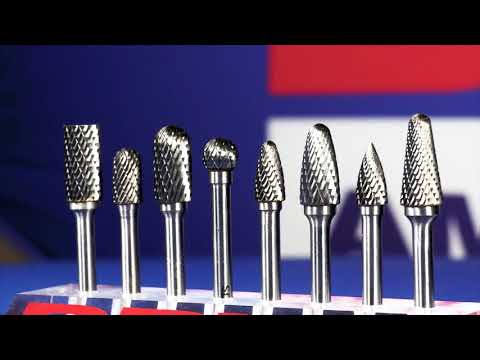
Watch Drill America Solid Carbide Burrs in Action
Learn more about Drill America solid carbide burrs and how these versatile rotary cutting tools are used for grinding, deburring, shaping, and finishing metal.
Explore our selection of double cut carbide burrs, aluminum-cut carbide burrs, and carbide burr sets for professional metalworking applications.