
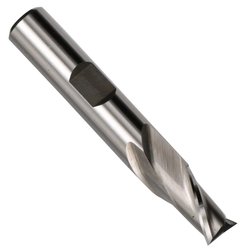
Cobalt End Mills
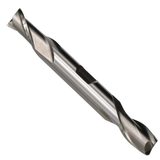

Cobalt End Mills for Tougher Metals and Precision Milling
Shop cobalt end mills for CNC machining, manual milling, toolmaking, metal fabrication, and general machine shop applications. Manufactured from cobalt-alloy high-speed steel, these cutting tools offer improved heat resistance and hot hardness compared with conventional HSS end mills.
Cobalt end mills are an excellent choice for milling steel, stainless steel, and other demanding materials where cutting temperatures can be elevated. Our selection includes single-end, double-end, and miniature cobalt end mills in various diameters, flute counts, cutting lengths, and configurations.
Whether you need a versatile square-end cutter for slotting and profiling or a miniature end mill for small features, cobalt provides a useful balance of toughness, heat resistance, and cutting performance.
Shop Cobalt End Mills by Style
Choose the cobalt end mill configuration that best matches your milling operation, cutting diameter, and toolholding requirements.
Cobalt Single End End Mills
Single-end cobalt end mills feature cutting edges on one end and a shank on the opposite end. They are commonly used for slotting, profiling, pocketing, keyway cutting, and general-purpose milling.
Available in different cutting diameters, lengths, and flute configurations, single-end cutters provide versatility for CNC and manual machining. Select the appropriate geometry based on the material, desired finish, and cutting operation.
Cobalt Double End End Mills
Double-end cobalt end mills have cutting edges on both ends of the tool. When one cutting end becomes worn, the cutter can be reversed to use the second end, provided it remains undamaged.
These cutters can provide excellent value for repetitive milling applications where the available cutting length and geometry meet the machining requirements.
Cobalt Miniature End Mills
Miniature cobalt end mills are designed for small-diameter milling, narrow slots, detailed profiles, and precision machining of small components.
The cobalt-alloy HSS construction provides improved hot hardness compared with conventional HSS. Proper toolholding, minimal runout, and controlled cutting conditions are especially important when working with small-diameter cutters.
Why Choose Cobalt End Mills?
Improved Heat Resistance
Cobalt-alloy high-speed steel retains hardness better at elevated cutting temperatures than conventional HSS. This makes cobalt end mills particularly useful for machining tougher metals and applications where cutting heat is a concern.
Excellent Balance of Toughness and Hardness
Cobalt end mills combine increased hot hardness with much of the toughness associated with high-speed steel. They are generally more forgiving than solid carbide in less rigid machining setups, although excessive vibration and interrupted cutting can still damage the cutting edges.
Versatile Metalworking Applications
Cobalt cutters are used for profiling, slotting, pocketing, roughing, and finishing in suitable metals. They are a practical choice for toolrooms, fabrication shops, maintenance departments, and general manufacturing.
Useful for Manual and CNC Milling
Cobalt end mills can perform well in both manual milling machines and CNC equipment. They are especially useful when additional heat resistance is needed but the application does not justify or support the higher cutting speeds associated with solid carbide.
2-Flute vs. 4-Flute Cobalt End Mills
The number of flutes affects chip clearance, cutting-edge engagement, and the operations for which an end mill is best suited.
2-Flute Cobalt End Mills
2-flute cobalt end mills generally provide larger chip spaces, making them useful for slotting, keyway cutting, aluminum machining, and operations where effective chip evacuation is important.
They are a versatile option for general-purpose milling when generous chip clearance is required.
4-Flute Cobalt End Mills
4-flute cobalt end mills provide additional cutting edges and are commonly selected for steel, side milling, profiling, and finishing operations.
They can support productive machining in suitable materials, although chip clearance is generally more limited than with typical 2-flute cutters.
Which Flute Count Should You Choose?
For aluminum and full-width slotting, 2-flute cutters are often a good starting point. For steel, profiling, and finishing, 4-flute cutters are frequently preferred. The best choice depends on the workpiece material, cutter geometry, and machining conditions.
Cobalt End Mill Cutting Shapes and Styles
Square End Mills
Square-end cobalt end mills have flat cutting ends and are commonly used for slots, flat-bottom pockets, shoulders, and general profiling.
They are among the most versatile end mill configurations for everyday metalworking.
Ball Nose End Mills
Ball-nose cobalt end mills feature rounded cutting tips designed for curved surfaces, 3D contouring, molds, dies, and detailed profiles.
They are useful for machining contoured features where a flat-end cutter would leave more pronounced steps or tool marks.
Single End vs. Double End
Single-end cobalt end mills offer flexibility in cutting lengths and configurations. Double-end cutters provide two usable cutting ends and may offer better value for repetitive operations.
Center Cutting vs. Non-Center Cutting
Center-cutting end mills have cutting edges that reach the center of the tool and may permit controlled axial cutting when the design allows.
Non-center-cutting end mills are primarily intended for side milling and cannot plunge directly into solid material. Always check the individual tool specifications before attempting an axial plunge.
What Materials Can Cobalt End Mills Machine?
Mild Steel and Carbon Steel
Cobalt end mills provide excellent general-purpose cutting performance in mild steel and carbon steel. Their improved hot hardness can be beneficial during demanding milling operations and extended cutting cycles.
Stainless Steel
Cobalt end mills are a practical choice for many stainless steel milling applications. Their improved heat resistance can help maintain cutting-edge hardness when machining materials that generate substantial cutting heat.
Because stainless steel can work harden, use appropriate feed rates, stable cutting conditions, and suitable lubrication. Performance depends on the stainless steel grade and cutter geometry.
Alloy Steels
Cobalt end mills can be useful for machining suitable alloy steels where conventional HSS may experience greater heat-related wear. Match the tool to the workpiece hardness and recommended cutting conditions.
Aluminum and Nonferrous Metals
Cobalt end mills can also machine aluminum, brass, and other suitable nonferrous materials. However, conventional HSS or carbide tools with geometries optimized for aluminum may be more economical or productive in certain applications.
Cobalt vs. HSS vs. Carbide End Mills
Choosing between cobalt, conventional HSS, and solid carbide depends on the material being machined, machine rigidity, cutting speed, and production requirements.
Cobalt End Mills
Cobalt-alloy HSS offers improved hot hardness compared with conventional HSS while retaining relatively good toughness. It is a useful choice for tougher steels, stainless steel, and demanding general-purpose milling.
High-Speed Steel End Mills
Conventional HSS is often more economical and provides good toughness for general-purpose milling, manual machines, and less demanding cutting conditions.
Solid Carbide End Mills
Solid carbide offers greater hardness, rigidity, and wear resistance. It is commonly preferred for rigid CNC setups, higher cutting speeds, precision machining, and demanding production applications.
Which should you choose? Choose HSS for economical general-purpose milling, cobalt when additional heat resistance is beneficial, and carbide when higher cutting speeds, rigidity, and wear resistance are priorities.
Tips for Better Cobalt End Mill Performance
Use the Correct Speeds and Feeds
Cobalt end mills can tolerate higher cutting temperatures than conventional HSS, but they should not automatically be run at carbide cutting speeds. Select spindle speed and feed per tooth based on the tool, workpiece material, and milling operation.
Minimize Runout and Vibration
Use secure toolholding, rigid workholding, and the shortest practical tool extension. Excessive vibration and runout can reduce surface quality and cause premature cutting-edge wear.
Maintain Effective Chip Evacuation
Prevent chips from accumulating in slots and pockets. Chip recutting can increase cutting heat, damage cutting edges, and reduce tool life.
Use Appropriate Cutting Fluid
Suitable coolant or cutting fluid can help control heat and friction during steel and stainless steel milling. Follow the manufacturer's recommendations for the cutter and workpiece material.
Frequently Asked Questions About Cobalt End Mills
What are cobalt end mills used for?
Cobalt end mills are used for slotting, profiling, pocketing, keyway cutting, and other milling operations in steel, stainless steel, and suitable machinable metals.
Are cobalt end mills better than HSS?
Cobalt end mills offer improved hot hardness and heat resistance compared with conventional HSS. They can be advantageous for tougher materials and demanding cutting conditions, although conventional HSS may be more economical for general-purpose work.
Are cobalt end mills made entirely of cobalt?
No. Cobalt end mills are made from cobalt-alloy high-speed steel, not pure cobalt. The cobalt content improves the steel's ability to retain hardness at elevated temperatures.
Can cobalt end mills cut stainless steel?
Yes. Cobalt end mills are commonly used for machining suitable stainless steel grades. Proper feeds, speeds, cutting fluid, and workholding are important for good performance.
What is the difference between single-end and double-end cobalt end mills?
Single-end cutters have cutting edges on one end. Double-end cutters have cutting edges on both ends, allowing the second end to be used when the first becomes worn, provided it remains undamaged.
Should I choose a 2-flute or 4-flute cobalt end mill?
Two-flute cutters generally provide greater chip clearance and are useful for aluminum and slotting. Four-flute cutters are commonly used for steel, profiling, and finishing.
Can cobalt end mills plunge straight down?
Some center-cutting cobalt end mills can perform controlled axial cutting, but non-center-cutting designs cannot plunge directly into solid material. Verify the individual tool specifications before plunging.
Watch: End Mills for Milling and Metalworking
Explore Our Cobalt End Mill Selection
Learn more about end mills and the cutting configurations used for slotting, profiling, pocketing, and general metalworking.
Browse our single-end, double-end, and miniature cobalt end mills to find the right cutter for your machining requirements.
Shop Cobalt Single End End Mills