
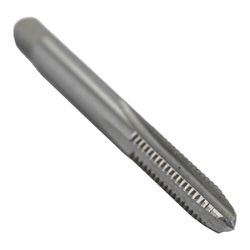
Hand Taps (Bolt Taps)
-
 HSS Hand Taps
-
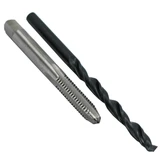 Hand Tap and Drill Sets
-
 Carbon Steel Hand Taps
-
 Left Hand Reverse Thread Hand Taps
-
 Tin-Coated Hand Taps
Hand Taps (Bolt Taps) for Thread Cutting
Shop a wide selection of hand taps and bolt taps at DrillsandCutters.com. Designed for creating new internal threads or restoring damaged threads, hand taps are essential tools for machine shops, metal fabrication, maintenance, and general repair applications.
Our selection includes high-speed steel (HSS) hand taps in taper, plug, and bottoming styles, with a variety of inch and metric thread sizes. Whether you're cutting coarse UNC threads, fine UNF threads, or metric threads, choosing the correct tap helps produce accurate, reliable results.
Not sure which drill bit matches your hand tap? Make it easy with our Hand Tap and Drill Sets, which pair a tap with its matching drill bit. Prefer to select your tools separately? Use our Tap and Drill Chart or Tap Drill Size Calculator to find the correct drill size.
Understanding Taper, Plug, and Bottoming Hand Taps
Hand taps are commonly available in three chamfer styles. Each is designed for a different stage of threading or hole configuration.
Taper Hand Taps
Taper taps feature a longer chamfer, typically around 7 to 10 threads, that gradually engages the workpiece. This makes them useful for starting threads straight and reducing the initial cutting load, especially during manual tapping.
Plug Hand Taps
Plug taps typically have a chamfer of approximately 3 to 5 threads and are among the most versatile hand taps. They are commonly used for general-purpose threading, through holes, and suitable blind holes with adequate clearance.
Bottoming Hand Taps
Bottoming taps have a short chamfer, typically 1 to 2 threads, allowing them to cut threads closer to the bottom of a blind hole. They are generally used after the threads have been started with a taper or plug tap.
Hand Tap Sets
A traditional hand tap set contains taper, plug, and bottoming taps of the same thread size. Using the appropriate styles in sequence can be particularly helpful when threading blind holes or working with difficult materials.
Choosing the Correct Hand Tap Size and Thread Type
UNC Coarse Thread Hand Taps
Unified National Coarse (UNC) taps produce standard coarse threads commonly used for general-purpose fastening. Examples include 1/4"-20, 5/16"-18, and 3/8"-16. Use our Tap and Drill Chart to find matching drill sizes.
UNF Fine Thread Hand Taps
Unified National Fine (UNF) taps produce finer threads with more threads per inch than UNC at the same nominal diameter. Common examples include 1/4"-28, 5/16"-24, and 3/8"-24. Fine threads are often used where specific fastening or adjustment requirements call for them.
Metric Hand Taps
Metric taps use millimeter-based thread diameters and pitches, such as M6 x 1.0 or M8 x 1.25. The thread pitch represents the distance between adjacent threads in millimeters. Our Metric Tap Drill Calculator helps determine suitable drill sizes.
Special and Nonstandard Thread Sizes
Some applications require uncommon thread diameters or pitches. Before drilling, use our Special Tap and Drill Size Calculator to estimate the required hole size for nonstandard inch threads.
Why Choose High-Speed Steel Hand Taps?
Durability and Wear Resistance
High-speed steel provides a useful balance of hardness, toughness, and wear resistance. HSS hand taps are a dependable option for repeated threading operations in suitable metals.
Versatility Across Materials
HSS hand taps can be used in steel, aluminum, brass, and other machinable materials when paired with appropriate cutting conditions and lubrication.
Manual and Machine Tapping
Although commonly used with a hand-operated tap wrench, many HSS hand taps can also be used in appropriate machine tapping applications. Always match the tap geometry and operating conditions to the machine and workpiece.
Thread Repair and Maintenance
Hand taps are useful for restoring suitable damaged or contaminated internal threads. Match the existing thread size and pitch carefully to avoid damaging the workpiece.
How to Select the Right Hand Tap
1. Identify the Thread Diameter and Pitch
Determine the required thread size and whether it uses UNC, UNF, metric, or another standard. A 1/4"-20 tap, for example, produces a different thread from a 1/4"-28 tap.
2. Choose the Correct Tap Style
Select taper, plug, or bottoming based on whether you are starting threads, performing general-purpose tapping, or cutting close to the bottom of a blind hole.
3. Determine the Tap Drill Size
For a convenient matched combination, shop our Hand Tap and Drill Sets. If you prefer to purchase tools separately, use our Tap and Drill Chart for common sizes, our Metric Tap Drill Calculator for metric threads, or our Special Tap Calculator for less common inch thread sizes.
4. Consider the Workpiece Material
Different materials require different cutting conditions. Select a suitable tap, lubrication method, and operating speed based on the metal being threaded.
5. Choose a Suitable Tap Wrench
For manual threading, select a tap wrench that securely grips the tap's square shank. Our Tap Wrench Chart can help identify an appropriate wrench size.
Common Applications for Hand Taps
Machine Shops and Metal Fabrication
Create internal threads for bolts, screws, fixtures, and mechanical components in manufacturing and general metalworking.
Equipment Maintenance and Repair
Restore suitable damaged threads or create replacement threaded holes during machinery maintenance and repair work.
Automotive and Mechanical Applications
Hand taps are useful for threading components, repairing fastener holes, and performing maintenance on mechanical assemblies.
General Workshop Use
From one-off projects to routine shop work, hand taps provide a versatile solution for producing internal threads in compatible materials.
Tips for Better Hand Tapping Results
Drill the Correct Hole Size
An undersized hole increases cutting torque and the risk of tap breakage, while an oversized hole can reduce thread engagement. Verify the appropriate diameter using our Tap and Drill Chart, or choose a Hand Tap and Drill Set with a matching drill bit included.
Start the Tap Square to the Workpiece
Proper alignment is essential for accurate threads. Use a suitable tap wrench or tapping guide and avoid forcing the tap if it begins cutting at an angle.
Use Appropriate Cutting Fluid
Lubrication helps reduce friction, manage heat, and improve thread finish. Choose a cutting fluid suitable for the material and tapping operation.
Control Chip Accumulation
When manually tapping with suitable straight-flute cutting taps, periodically reversing the tap can help break chips. The correct technique depends on the tap design and workpiece material.
Do Not Force a Binding Tap
If resistance becomes excessive, stop and check for chip buildup, incorrect drill size, misalignment, or a worn cutting edge. Forcing a tap can cause breakage inside the workpiece.
Frequently Asked Questions About Hand Taps
What is a hand tap used for?
A hand tap cuts internal threads in a previously drilled hole, allowing a compatible bolt or screw to be installed. Hand taps can also be used to restore suitable damaged threads.
What is the difference between taper, plug, and bottoming taps?
Taper taps have a longer chamfer for starting threads, plug taps offer versatile general-purpose performance, and bottoming taps are designed to cut threads closer to the bottom of blind holes.
Which hand tap should I use for a through hole?
A plug tap is commonly used for general-purpose through-hole threading. A taper tap may also be useful when easier thread starting and alignment are important.
Which tap is best for a blind hole?
For a blind hole, a taper or plug tap can be used to start the thread, followed by a bottoming tap when threads are required close to the bottom. Ensure sufficient clearance for chips and the tap's chamfer.
What is the difference between UNC and UNF hand taps?
UNC taps cut coarse threads, while UNF taps cut finer threads with more threads per inch at the same nominal diameter. The correct choice depends on the required fastener or thread specification.
Can HSS hand taps be used in a tapping machine?
Many HSS hand taps can be used in suitable machine tapping operations. However, the machine, workpiece material, hole type, and cutting conditions must be appropriate for the tap design.
How do I find the correct drill bit for a hand tap?
The easiest option is to purchase a Hand Tap and Drill Set with the matching drill bit included. If you're purchasing the tap and drill separately, use our Tap and Drill Chart or Tap Drill Calculator to find the appropriate drill size.
Hand Tapping Charts, Calculators, and Resources
Use these resources to identify thread sizes, calculate tap drill diameters, and select the correct threading tools and accessories.
Hand Tap and Drill Sets
Save time selecting individual tools with convenient sets that include a hand tap and its matching drill bit.
Tap and Drill Chart
Find recommended drill sizes for common inch and metric threads before tapping.
Special Tap and Drill Size Calculator
Calculate drill sizes for uncommon inch thread diameters and pitches.
Metric Tap Drill Calculator
Determine appropriate drill sizes for metric threads using nominal diameter and pitch.
Tap Wrench Chart
Find the correct tap wrench size for manual threading applications.
Explore All Taps
Browse our complete selection of threading tools, including hand taps, NPT pipe taps, and specialty taps.
Learn More About Hand Taps and Thread Cutting
Watch Drill America's video to learn more about taps and threading tools used in metalworking, maintenance, and fabrication.
From choosing the correct thread size to selecting the right tap style, proper tool selection is essential for producing accurate internal threads.