
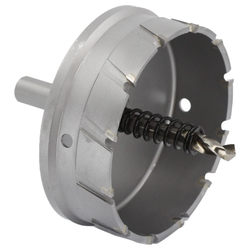
Carbide Tipped Hole Cutters
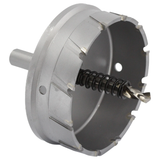
Carbide Tipped Hole Cutters for Fast, Accurate Holes in Metal
Shop carbide tipped hole cutters for drilling clean, accurate holes in sheet metal, stainless steel, steel plate, and other suitable metal materials. These specialty cutting tools feature durable carbide cutting teeth designed for efficient hole making in metalworking, fabrication, electrical installation, and industrial maintenance applications.
Unlike conventional twist drill bits, carbide tipped hole cutters remove material around the circumference of the hole, leaving a center slug. Choose from 3/16" and 1" depth-of-cut options to match your workpiece thickness and application.
What Is a Carbide Tipped Hole Cutter?
A carbide tipped hole cutter is a specialized cutting tool designed to produce round holes in metal. Its carbide cutting teeth remove material around the outside of the hole rather than drilling away the entire diameter, making it an efficient option for larger holes.
Durable Carbide Cutting Teeth
Carbide cutting edges provide excellent hardness and wear resistance. When used with suitable speeds, feeds, and cutting conditions, carbide tipped hole cutters can deliver efficient cutting performance and long tool life.
Clean, Accurate Holes
Carbide tipped hole cutters are designed to produce clean holes with less material removal than a conventional twist drill of the same diameter. Proper workpiece support and cutting technique help minimize burrs and improve hole quality.
Efficient Metal Cutting
These cutters are useful for producing larger-diameter holes in suitable metal materials, including applications where a conventional drill bit may be less practical.
Choosing the Right Depth of Cut
3/16" Depth of Cut: Sheet Metal Applications
Carbide tipped hole cutters with a 3/16" depth of cut are designed for thinner materials such as sheet metal and compatible electrical enclosures, panels, and fabrication components. Their shallow cutting depth makes them a practical option for applications where deeper cutting capacity is unnecessary.
1" Depth of Cut: Thicker Materials
Carbide tipped hole cutters with a 1" depth of cut provide greater cutting capacity for thicker workpieces. They are suitable for metal fabrication, maintenance, and other applications requiring holes through material thicker than the capacity of a shallow-depth cutter.
Which should you choose? Select the 3/16" depth of cut for thin sheet metal applications or the 1" depth of cut when additional cutting depth is required. Always confirm the cutter's rated material capacity and specifications before use.
Common Applications for Carbide Tipped Hole Cutters
Electrical Panels and Enclosures
Cutting holes for conduit fittings, connectors, and other components in compatible metal electrical enclosures and panels.
Sheet Metal Fabrication
Producing round openings in sheet metal components for manufacturing, installation, and general fabrication work.
Stainless Steel and Steel Components
Cutting holes in compatible stainless steel and steel workpieces when the cutter is rated for the material and thickness. Proper cutting speed, lubrication, and workpiece support are especially important.
Industrial Maintenance and Repair
Creating openings in equipment, machinery components, and metal structures during maintenance, modification, and repair projects.
Carbide Tipped Hole Cutters vs. Bi-Metal Hole Saws
Carbide Tipped Hole Cutters
Carbide tipped hole cutters feature hard cutting teeth designed for efficient hole making in suitable metals. They are a strong option when wear resistance, cutting performance, and repeatable hole production are important.
Bi-Metal Hole Saws
Bi-metal hole saws offer versatility across a broad range of materials and applications. They are commonly used for cutting holes in wood, plastics, and compatible metals, depending on the blade design.
For additional hole-making options, explore our Hole Saws category. The best choice depends on the workpiece material, thickness, cutting equipment, and desired hole diameter.
Tips for Using Carbide Tipped Hole Cutters
1. Select the Correct Diameter and Cutting Depth
Choose a cutter that matches the required hole diameter and has sufficient depth of cut for the workpiece. Verify the material compatibility and operating requirements of the individual product.
2. Secure the Workpiece
Clamp the workpiece securely and use appropriate drilling equipment. Proper support helps reduce vibration, movement, and the risk of damaging the carbide teeth.
3. Use the Recommended Cutting Speed
Cutting speed is especially important when using carbide tipped tools. Excessive speed or improper feeding can reduce tool life and damage cutting edges. Follow the recommended RPM for the cutter diameter and workpiece material.
4. Apply Suitable Cutting Fluid
Use cutting fluid when recommended for the material and cutter. Proper lubrication and heat management can improve cutting performance and help protect the carbide teeth.
5. Remove the Slug Safely
After completing the hole, stop the equipment and allow the cutter to come to a complete stop before removing the center slug or clearing chips. Use appropriate protective equipment and avoid handling sharp edges directly.
Carbide Tipped Hole Cutter RPM and Cutting Speed Chart
Using the correct RPM is important for achieving clean holes, protecting carbide cutting teeth, and extending tool life. Recommended cutting speeds vary depending on the hole cutter diameter and the material being drilled.
Our Carbide Tipped Hole Cutter RPM Chart provides recommended drilling speeds for mild steel and stainless steel across a wide range of cutter diameters. Use this reference to help select the appropriate RPM before drilling.
Helpful tip: Larger diameter cutters generally require lower RPMs. Always follow the cutter manufacturer's recommendations and use proper workpiece support and cutting fluid where appropriate.
Frequently Asked Questions About Carbide Tipped Hole Cutters
What are carbide tipped hole cutters used for?
Carbide tipped hole cutters are used to produce round holes in compatible metal materials, including sheet metal, steel, and stainless steel. Common applications include fabrication, electrical installation, and industrial maintenance.
Can carbide tipped hole cutters cut stainless steel?
Many carbide tipped hole cutters are suitable for stainless steel, provided the cutter is rated for the material and thickness. Correct cutting speed, workpiece support, and lubrication are important for successful results.
What is the difference between 3/16" and 1" depth of cut?
The depth of cut indicates the maximum intended cutting depth of the cutter. A 3/16" cutter is intended for thinner materials, while a 1" cutter provides greater capacity for thicker workpieces. Always follow the manufacturer's specifications.
Are carbide tipped hole cutters better than bi-metal hole saws?
Carbide tipped cutters can provide excellent wear resistance and efficient cutting in suitable metals. Bi-metal hole saws may be more versatile for mixed-material applications. The best choice depends on the material, thickness, and cutting requirements.
What RPM should I use for a carbide tipped hole cutter?
The correct RPM depends on cutter diameter, workpiece material, and the manufacturer's recommendations. Larger cutters generally require lower rotational speeds than smaller cutters at the same cutting speed. Consult our Carbide Tipped Hole Cutter RPM Chart for recommended speeds when cutting mild steel and stainless steel.
Do carbide tipped hole cutters require cutting fluid?
Cutting fluid is recommended for many metal-cutting applications, depending on the material and cutter specifications. Proper lubrication and temperature control can improve performance and tool life.
How are carbide tipped hole cutters different from annular cutters?
Both tools cut around the circumference of a hole and leave a center slug. However, they may differ in cutting geometry, shank design, depth capacity, and intended equipment. Annular cutters are commonly used with magnetic drilling machines, while carbide tipped hole cutters may be designed for other compatible drilling equipment.
See Carbide Tipped Hole Cutters in Action
Watch our Drill America video to learn more about carbide tipped hole cutters and their applications in metalworking and hole cutting.
Explore our complete selection of carbide tipped hole cutters to find the correct diameter and cutting depth for your project.