
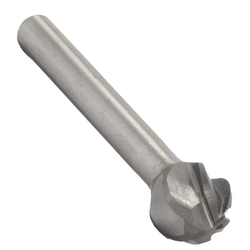
Carbide Burrs For Aluminum
-
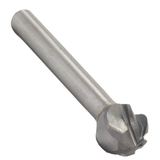 Ball End Carbide Burrs For Aluminum
-
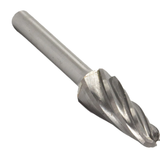 Cone, Radius End Carbide Burrs For Aluminum
-
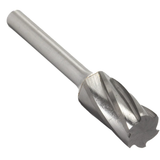 Cylindrical Carbide Burrs For Aluminum
-
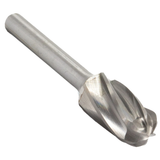 Cylindrical, Radius End Carbide Burrs For Aluminum
-
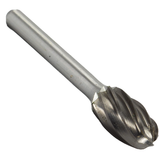 Oval Carbide Burrs For Aluminum
-
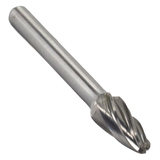 Tree, Radius-End Carbide Burrs For Aluminum
Carbide Burrs for Aluminum and Non-Ferrous Metals
Shop Drill America carbide burrs for aluminum, designed for efficient grinding, deburring, shaping, and material removal in aluminum and other compatible non-ferrous metals. These solid carbide rotary burrs feature specialized cutting geometry that helps produce larger chips, reduce material loading, and maintain cutting performance when working with softer metals.
Unlike conventional Double Cut Carbide Burrs, aluminum-cut carbide burrs use a more open tooth design to help prevent chips from packing into the cutting edges. They are an excellent choice for metal fabrication, aluminum welding, automotive repair, machining, and industrial maintenance applications.
Why Use Carbide Burrs Designed for Aluminum?
Aluminum presents different cutting challenges than steel and stainless steel. Because aluminum is relatively soft and ductile, chips can adhere to cutting edges and clog conventional carbide burrs. Using a burr specifically designed for aluminum can improve chip evacuation, cutting efficiency, and control.
Specialized Aluminum-Cut Tooth Geometry
Aluminum-cut carbide burrs feature more open cutting teeth designed to produce larger chips and help prevent material buildup. This geometry is particularly useful when grinding and shaping softer, gummy non-ferrous metals.
Reduced Chip Loading
Material loading occurs when aluminum chips become packed between cutting teeth. Specialized aluminum-cut burrs help reduce this problem by providing additional clearance for chips to escape during cutting.
Efficient Material Removal
The cutting geometry of aluminum burrs allows efficient stock removal in compatible materials when operated at appropriate speeds. These tools are useful for removing excess material, modifying profiles, and preparing aluminum components for finishing.
Durable Solid Carbide Construction
Manufactured from hard, wear-resistant solid carbide, these rotary burrs are designed for professional metalworking applications. Proper cutting speeds, equipment selection, and operating techniques help maintain tool performance and service life.
Common Applications for Aluminum Carbide Burrs
Aluminum-cut carbide burrs are used in a wide range of fabrication, machining, and maintenance applications where efficient material removal and reduced chip loading are important.
Aluminum Weld Removal and Blending
Remove excess weld material and blend welded joints on compatible aluminum components. Aluminum-cut carbide burrs are useful for localized grinding and smoothing areas around welded surfaces.
Deburring Aluminum Parts
Remove sharp edges, unwanted burrs, and excess material left behind by drilling, milling, sawing, and other machining operations. Select the appropriate burr shape to access edges, openings, and internal contours.
Grinding and Shaping Aluminum
Remove material from aluminum plates, castings, extrusions, and other compatible components. Specialized aluminum-cut geometry helps maintain cutting performance while reducing material buildup on the teeth.
Hole Enlargement and Internal Contouring
Enlarge existing openings, remove material from internal surfaces, and modify profiles in aluminum workpieces using the appropriate cutting head shape.
Automotive and Engine Components
Aluminum-cut carbide burrs are useful for suitable automotive applications, including shaping aluminum engine components, modifying castings, deburring parts, and performing localized material removal.
Aluminum Fabrication and Repair
Use aluminum carbide burrs for fabrication, equipment repair, surface preparation, and finishing operations involving compatible aluminum components and non-ferrous metals.
Choosing the Right Carbide Burr Shape for Aluminum
Carbide burrs for aluminum are available in different cutting head shapes and sizes. The correct profile depends on the workpiece geometry, the amount of material being removed, and the access required for the application. Availability of individual shapes varies by product.
Cylindrical Aluminum Carbide Burrs
Cylindrical burrs feature straight-sided cutting heads suitable for grinding flat surfaces, removing material from straight edges, and working along internal walls. They are a practical choice for general-purpose aluminum fabrication and machining.
Ball-Shaped Aluminum Carbide Burrs
Ball-shaped burrs are useful for rounded cavities, concave surfaces, and detailed contouring. Their spherical cutting heads allow material removal along curved surfaces and internal profiles.
Tree-Shaped Aluminum Carbide Burrs
Tree-shaped burrs feature tapered cutting heads suitable for shaping contours, blending surfaces, and accessing curved or angled features. Rounded and pointed-end variations serve different applications.
Flame-Shaped Aluminum Carbide Burrs
Flame burrs feature gradually tapered cutting heads useful for blending curved surfaces, smoothing transitions, and shaping complex contours in compatible aluminum components.
Cone-Shaped Aluminum Carbide Burrs
Cone and pointed cone burrs are useful for chamfering, beveling, enlarging openings, and shaping angled surfaces. Their tapered geometry provides access to features that may be difficult to reach with larger cylindrical cutting heads.
Aluminum-Cut vs. Double Cut Carbide Burrs
Choosing the correct cutting geometry is important because aluminum and steel behave differently during grinding and material removal.
Aluminum-Cut Carbide Burrs
Aluminum-cut carbide burrs feature relatively open cutting teeth designed to produce larger chips and reduce material loading. This geometry is particularly useful for aluminum and other compatible soft, ductile non-ferrous metals.
These burrs are generally preferred when conventional cutting teeth become clogged with aluminum chips.
Double Cut Carbide Burrs
Double cut carbide burrs feature intersecting cutting teeth that break removed material into smaller chips. They are commonly selected for steel, stainless steel, cast iron, weld removal, and general-purpose metal finishing.
Although some double cut burrs can remove aluminum, their finer cutting geometry may become loaded with chips when working with soft, gummy materials.
Which Carbide Burr Should You Choose?
For aluminum and similar soft non-ferrous materials, an aluminum-cut burr is generally the better starting point. For steel, stainless steel, and cast iron, double cut carbide burrs are often a more suitable general-purpose choice.
Always consider the specific workpiece material, required finish, cutting conditions, and manufacturer recommendations when selecting a carbide burr.
Carbide Burr Sizes and Shank Options for Aluminum
Aluminum carbide burrs are available in different cutting diameters, head lengths, and shank configurations. Choosing the correct dimensions helps ensure proper access and compatibility with the rotary equipment being used.
Cutting Head Diameter
Smaller cutting heads are useful for precision deburring, narrow openings, and detailed shaping. Larger cutting heads provide broader cutting contact for grinding and removing material from larger aluminum surfaces. Available diameters depend on the selected burr shape.
1/4" Shank Aluminum Carbide Burrs
The 1/4" shank is a common industrial configuration designed for compatible die grinders and rotary equipment. These burrs are widely used in fabrication shops, machining facilities, and maintenance departments.
Cutting Length and Overall Length
Cutting length determines the usable portion of the burr head, while overall length affects reach and accessibility. Select a burr that provides sufficient access without unnecessary overhang, which can increase vibration and reduce control.
Understanding Carbide Burr Size Designations
Many carbide burrs use standard trade designations identifying their cutting head shape and size. Always check the product specifications for the actual cutting diameter, cutting length, shank diameter, and overall length before ordering.
Tips for Grinding Aluminum with Carbide Burrs
1. Use a Burr Designed for Aluminum
Choose a carbide burr with aluminum-cut tooth geometry to help reduce chip loading and improve material removal in soft, ductile metals.
2. Match the Burr to the Rotary Equipment
Use a compatible die grinder or high-speed rotary tool with the correct collet size. Ensure the burr shank is securely clamped according to the equipment manufacturer's instructions.
3. Follow Recommended Operating Speeds
Maximum allowable RPM depends on cutting diameter, shank size, overall length, and manufacturer specifications. Never exceed the burr's rated operating speed.
4. Avoid Excessive Pressure
Allow the cutting teeth to remove material without forcing the burr into the workpiece. Excessive pressure can increase heat, encourage material loading, and reduce cutting control.
5. Monitor Chip Buildup
Aluminum can adhere to cutting edges during grinding. Inspect the burr periodically with the equipment stopped and remove accumulated material using appropriate manufacturer-approved cleaning methods.
6. Secure the Workpiece and Wear Protection
Secure the aluminum workpiece and wear suitable eye and face protection. Follow the equipment manufacturer's safety instructions and keep hands clear of the rotating cutter.
Frequently Asked Questions About Carbide Burrs for Aluminum
What type of carbide burr is best for aluminum?
Carbide burrs with specialized aluminum-cut tooth geometry are generally the best starting point for aluminum. Their more open cutting teeth help produce larger chips and reduce material loading compared with many conventional double cut burrs.
Can you use carbide burrs on aluminum?
Yes. Solid carbide burrs are commonly used for grinding, deburring, shaping, weld blending, and material removal in aluminum. For best results, select a burr specifically designed for aluminum cutting.
Why does aluminum clog carbide burrs?
Aluminum is relatively soft and ductile, so chips can adhere to cutting edges and become packed between the teeth. This is known as material loading. Aluminum-cut burrs help reduce loading by providing more open cutting geometry.
What is the difference between aluminum-cut and double cut carbide burrs?
Aluminum-cut burrs typically feature more open cutting teeth designed for larger chips and improved chip evacuation in soft metals. Double cut burrs have intersecting teeth that produce smaller chips and are commonly used for steel, stainless steel, and cast iron.
Can double cut carbide burrs be used on aluminum?
Some double cut carbide burrs can remove aluminum, but their cutting teeth may become loaded with chips. Burrs specifically designed for aluminum are generally better suited to soft, gummy non-ferrous materials.
Are aluminum carbide burrs good for weld removal?
Yes. Aluminum-cut carbide burrs can be used for removing excess weld material and blending welded joints on compatible aluminum components. Select the appropriate cutting shape and follow the recommended operating instructions.
What carbide burr shape should I use for aluminum?
Cylindrical burrs are useful for flat surfaces, ball burrs for rounded cavities, tree burrs for contoured surfaces, flame burrs for blending, and cone burrs for angled features. The best shape depends on the geometry of the workpiece.
Can carbide burrs for aluminum be used on brass or copper?
Aluminum-cut carbide burrs may be suitable for certain brass, copper, and other non-ferrous metal applications. Material hardness, ductility, and cutting conditions vary, so check the manufacturer's recommendations for the specific material.
What size shank do aluminum carbide burrs use?
Many industrial carbide burrs use 1/4" shanks for compatible die grinders. Other configurations may be available depending on the burr style. Always match the shank diameter to the equipment's collet.
Can I use an aluminum carbide burr in a drill?
Carbide burrs are generally designed for compatible die grinders and high-speed rotary tools. Conventional drills may not provide the required speed, support, or control. Use only equipment approved for the burr and application.
Watch Drill America Carbide Burrs in Action
Learn more about Drill America solid carbide burrs and how these versatile rotary cutting tools are used for grinding, deburring, shaping, and metal finishing.
For aluminum and other compatible non-ferrous metals, choose carbide burrs with specialized cutting geometry designed to help reduce chip loading and improve material removal.