
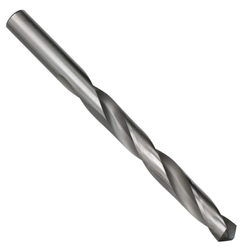
Carbide Tipped Jobber Drills
-
 Carbide Tipped Jobber Drills, Fractional
-
 Carbide Tipped Jobber Drills, Letter
-
 Carbide Tipped Jobber Drills, Wire
Carbide Tipped Jobber Drill Bits for Cast Iron and Abrasive Materials
Shop carbide tipped jobber drill bits from Drill America, designed for production drilling in cast iron, nonferrous metals, copper alloys, and suitable composite materials. These heavy-duty drills combine a wear-resistant carbide cutting tip with a heat-treated steel body that provides support for the cutting edges.
Carbide tipped drills are a practical solution for applications where conventional high-speed steel drills may experience excessive abrasive wear. Available in fractional, letter, and wire gauge sizes, these jobber-length drill bits are intended for use in stable machining setups with proper speeds, feeds, and workholding.
Important: This Drill America carbide tipped jobber drill line is not recommended for drilling steel. For steel and stainless steel, select a suitable HSS, cobalt, or application-specific solid carbide drill instead.
Shop Carbide Tipped Jobber Drills by Size
Choose the appropriate drill diameter from our three standard inch-based sizing systems.
Fractional Carbide Tipped Jobber Drills
Fractional carbide tipped drills are available in common inch-based diameters for production drilling, machining, and general holemaking in suitable materials.
They are a convenient choice for applications requiring standard fractional hole sizes.
Letter Size Carbide Tipped Jobber Drills
Letter size carbide tipped drills provide intermediate inch diameters identified by letters rather than fractional measurements.
These sizes are useful for precision machining, production drilling, and applications requiring specific hole diameters.
Wire Gauge Carbide Tipped Jobber Drills
Wire gauge carbide tipped drills are identified by numbered sizes and provide additional diameter choices for smaller holes and precision drilling requirements.
They are useful when a specific numbered drill diameter is required for machining or production applications.
What Is a Carbide Tipped Jobber Drill?
A carbide tipped drill bit uses carbide at the cutting end rather than being manufactured entirely from solid carbide. The carbide cutting edges provide hardness and wear resistance, while the supporting body provides the drill's overall structure.
Wear-Resistant Carbide Cutting Tip
Carbide offers excellent hardness and resistance to abrasive wear. This makes carbide tipped drills particularly useful when drilling cast iron and other materials that can wear conventional HSS cutting edges quickly.
Heavy-Duty, Heat-Treated Body
These Drill America carbide tipped jobber drills feature heavy-duty construction and a heat-treated body designed to support the carbide tip and provide durability during appropriate machining operations.
Jobber Length Design
Jobber length is a standard drill length configuration that provides a practical balance between cutting reach and rigidity for many drilling operations.
Because carbide cutting edges are relatively brittle, secure workholding and proper alignment remain important even with the supporting steel body.
Designed for Specific Materials
Unlike general-purpose HSS drill bits, carbide tipped drills are selected primarily for the cutting characteristics of the workpiece material. This line is especially suited to cast iron, nonferrous metals, copper alloys, and suitable composite materials rather than steel.
Best Materials for Carbide Tipped Jobber Drills
Cast Iron
Cast iron is one of the primary applications for carbide tipped jobber drills. Its abrasive characteristics can accelerate wear on conventional cutting tools.
Carbide cutting edges offer increased wear resistance, making these drills useful for repetitive holemaking in suitable cast iron components.
Nonferrous Metals
Carbide tipped jobber drills can be used for suitable nonferrous metals where their cutting geometry and wear resistance are appropriate.
Always match cutting speeds, feeds, and lubrication to the specific material being machined.
Copper Alloys
These drills are also intended for machining suitable copper alloys. The carbide tip provides a wear-resistant cutting edge for applications where conventional HSS may experience increased wear.
Hard Rubber and Composite Materials
Carbide tipped drills can be useful for certain hard rubber and composite materials, especially where abrasive fillers contribute to cutting-edge wear.
Composite materials vary widely in their machining characteristics. Confirm that the drill geometry and operating conditions are suitable for the specific material.
Why These Drills Are Not Recommended for Steel
Drill America does not recommend this carbide tipped jobber drill line for drilling steel. Steel machining can involve cutting forces, heat, and chip formation characteristics that require a different drill design.
For steel and stainless steel, choose a drill specifically intended for those materials, such as an appropriate cobalt jobber drill.
Carbide Tipped vs. Solid Carbide vs. HSS Drill Bits
Although these drill types may be used in some similar applications, their construction and performance characteristics are different.
Carbide Tipped Jobber Drills
Best for: Cast iron, suitable nonferrous metals, copper alloys, and abrasive composite materials.
These drills combine a wear-resistant carbide cutting tip with a heavy-duty supporting body. They provide a practical option for specific production drilling applications.
Solid Carbide Jobber Drills
Best for: Rigid machining setups, precision drilling, and applications requiring high stiffness and wear resistance.
Solid carbide drills are manufactured from carbide throughout the cutting tool rather than using a carbide tip on a steel body. They offer excellent rigidity but are relatively brittle and require stable machining conditions.
High-Speed Steel Jobber Drills
Best for: Economical general-purpose drilling, maintenance, fabrication, and applications where toughness and versatility are priorities.
HSS drills are generally more forgiving of vibration and minor misalignment than carbide cutting tools, making them practical for everyday drilling.
Cobalt Jobber Drills
Best for: Steel, stainless steel, tougher alloys, and applications requiring increased heat resistance.
Cobalt-alloy high-speed steel offers improved hot hardness compared with conventional HSS while retaining useful toughness for demanding metal drilling.
Proper Machine Setup for Carbide Tipped Drilling
Use Rigid Drilling Equipment
Carbide tipped jobber drills are best used with stable drilling equipment, including suitable drill presses and CNC machining centers. Secure workholding and proper alignment help prevent excessive side loading on the carbide tip.
Minimize Vibration and Runout
Excessive vibration, poor alignment, and tool runout can cause uneven cutting loads and premature carbide tip damage.
Use properly maintained equipment and suitable toolholders for consistent drilling performance.
Avoid Handheld Drilling When Possible
Because carbide cutting edges are brittle, handheld drilling is generally not preferred for this type of cutting tool. Hand movement and inconsistent feed pressure can increase the risk of chipping or breakage.
Tips for Better Carbide Tipped Drill Performance
Use Appropriate Cutting Speeds and Feeds
Select spindle speed and feed rate based on the workpiece material, drill diameter, and manufacturer's recommendations. Do not assume carbide tipped drills should use the same parameters as solid carbide drills.
Keep the Workpiece Secure
Clamp the workpiece firmly to prevent movement during drilling. Stable workholding helps protect the carbide tip from unexpected lateral forces.
Maintain Proper Chip Evacuation
Prevent chips from packing in the hole or drill flutes. Appropriate chip-clearing techniques help reduce cutting forces and minimize the risk of tool damage.
Inspect the Carbide Cutting Edges
Check the carbide tip for chipping, cracks, or excessive wear. A damaged cutting edge can produce poor hole quality and increase the risk of further tool failure.
Frequently Asked Questions About Carbide Tipped Jobber Drills
What are carbide tipped jobber drills used for?
Carbide tipped jobber drills are designed for production drilling in cast iron, nonferrous metals, copper alloys, and suitable composite materials where wear resistance is important.
What is the difference between carbide tipped and solid carbide drills?
Carbide tipped drills use carbide at the cutting end with a supporting body, while solid carbide drills are manufactured from carbide throughout the tool. Solid carbide offers greater overall rigidity, while carbide tipped construction provides a different balance of cutting-edge wear resistance and body support.
Can carbide tipped jobber drills cut steel?
This Drill America carbide tipped jobber drill line is not recommended for drilling steel. For steel and stainless steel, choose an appropriate HSS, cobalt, or specialized carbide drill intended for the application.
Are carbide tipped drills good for cast iron?
Yes. Cast iron is one of the primary applications for this drill line because carbide cutting edges offer excellent resistance to abrasive wear.
Can carbide tipped drills be used in a drill press?
Yes. A suitable drill press with secure workholding, proper alignment, and minimal runout can provide the stability needed for carbide tipped drilling.
What does jobber length mean?
Jobber length refers to a standard drill length configuration that provides a practical balance between cutting reach and rigidity for many machining applications.
What sizes are available?
Our Drill America carbide tipped jobber drills are available in fractional, letter, and wire gauge sizes.
Find the Right Carbide Tipped Jobber Drill
Explore Drill America carbide tipped jobber drills for cast iron, nonferrous metals, copper alloys, and suitable abrasive composite materials. Select the diameter required for your application using the links below.
Shop Fractional Carbide Tipped Jobber Drills