
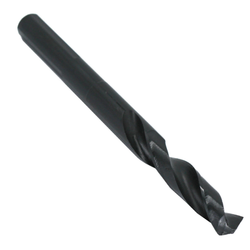
3/8" HSS Reduced Shank Drills
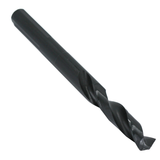
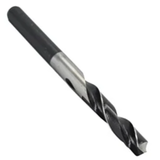
3/8" HSS Reduced Shank Drill Bits – Black Oxide & Black and Bright
Shop 3/8" high-speed steel (HSS) reduced shank drill bits from Drill America and Qualtech. These general-purpose metalworking drills feature cutting diameters larger than 3/8" with reduced shanks designed to fit compatible 3/8" drill chucks.
Our selection includes economical Qualtech DWDRSD black oxide drills and Drill America D/ARSD drills, offered as a black-and-bright alternative. Both series use high-speed steel construction and a 118° conventional drill point for dependable general-purpose drilling.
Whether you are drilling mild steel, aluminum, brass, or other machinable materials, HSS reduced shank drills offer a practical combination of toughness, versatility, and affordability for fabrication, industrial maintenance, repair, and everyday shop work.
Compare Our 3/8" HSS Reduced Shank Drill Bits
Our two standard HSS reduced shank drill series provide similar general-purpose cutting capabilities. The primary considerations are the finish, product configuration, available sizes, and price.
Qualtech DWDRSD – Black Oxide HSS Reduced Shank Drills
The Qualtech DWDRSD series is an economical option for drilling larger diameter holes with compatible 3/8" drill chucks.
Manufactured from high-speed steel with a 118° conventional point, these drills are designed for general-purpose drilling in steel, iron, and other suitable materials.
The black oxide surface treatment helps provide corrosion resistance and cutting-fluid retention. These drills feature round shanks for use with compatible drill chucks.
DWDRSD drills are a practical choice for contractors, maintenance departments, fabrication shops, and customers looking for dependable HSS performance at an economical price.
Best for: Everyday metal drilling, general maintenance, mild steel, fabrication, and value-conscious buyers.
Drill America D/ARSD – HSS Reduced Shank Drills
The Drill America D/ARSD series provides another dependable HSS reduced shank option for general-purpose metalworking and maintenance.
These drills feature a 118° conventional point, round shank, and high-speed steel construction. They are designed for production, maintenance, and portable drilling applications.
The D/ARSD line is offered as a black-and-bright alternative, although some individual product listings identify the finish as black oxide. Review the selected item's specifications when the exact finish is important.
Certain D/ARSD sizes also feature common flute and overall lengths, helping minimize machine adjustments when changing between drill diameters.
Best for: General-purpose metalworking, machine shops, maintenance, and customers who prefer Drill America HSS reduced shank drills.
Which HSS Reduced Shank Drill Should You Choose?
Both DWDRSD and D/ARSD provide reliable HSS construction and conventional-point drilling performance.
Choose Qualtech DWDRSD when an economical black oxide drill is your priority. Consider Drill America D/ARSD when you prefer that product series or need its particular size and length configuration.
For most general-purpose applications, selecting the correct cutting diameter, drill geometry, and operating conditions matters more than the appearance of the finish alone.
What Is a 3/8" HSS Reduced Shank Drill Bit?
A 3/8" reduced shank drill bit has a cutting diameter larger than 3/8" but a shank designed to fit a compatible 3/8" drill chuck.
For example, a 1/2" diameter drill with a 3/8" reduced shank can produce a nominal 1/2" hole while fitting a 3/8" capacity chuck.
Cutting Diameter vs. Shank Diameter
The cutting diameter determines the nominal hole size produced by the drill. The shank diameter determines the size of the toolholding system required.
A drill with a 5/8" cutting diameter and a 3/8" shank is designed to produce a nominal 5/8" hole while fitting a compatible 3/8" chuck.
Always confirm both measurements when selecting a reduced shank drill bit.
Why Use a Reduced Shank Drill?
Reduced shank drills expand the range of cutting diameters that can be held by smaller-capacity drill chucks.
This is especially convenient for maintenance, fabrication, and repair work where a larger hole is required but the available drilling equipment has a 3/8" chuck.
A reduced shank does not increase the drilling machine's available torque or power. Always verify that the equipment is suitable for the intended hole diameter and material.
Round Shank Design
Our standard DWDRSD and D/ARSD HSS reduced shank drills use round shanks for compatibility with suitable drill chucks and toolholding systems.
Because larger drill diameters can generate substantial cutting torque, secure chuck grip and proper workholding are particularly important.
Why Choose High-Speed Steel Reduced Shank Drills?
High-speed steel remains one of the most widely used cutting tool materials because it offers a useful combination of toughness, cutting hardness, and affordability.
Economical General-Purpose Performance
HSS drills provide dependable performance for routine drilling without the higher cost associated with certain specialty cutting tool materials.
For maintenance departments, contractors, and general fabrication shops, HSS is often the most practical choice.
Suitable for Many Common Materials
HSS reduced shank drills are commonly used for mild steel, aluminum, brass, copper, plastics, and other machinable materials.
Performance depends on the workpiece material, drill diameter, cutting speed, feed rate, and use of suitable cutting fluid.
Good Toughness for General Shop Use
HSS is relatively tough compared with solid carbide, making it useful for many everyday drilling applications where the setup may not have the rigidity required for carbide tooling.
Proper alignment and secure workholding remain important, particularly when drilling larger diameter holes.
Black Oxide vs. Black and Bright HSS Drill Bits
Both finishes are used on general-purpose HSS drilling tools. The finish can affect surface characteristics and appearance, but it does not change the underlying drill material.
Black Oxide Finish
Black oxide is a dark surface treatment commonly applied to HSS drills.
It helps provide some corrosion resistance and can assist with cutting-fluid retention. It is not a hard ceramic coating like titanium nitride (TiN).
Our Qualtech DWDRSD reduced shank drills feature a black oxide finish and a 118° conventional point.
Black and Bright Finish
Black-and-bright drills combine darker surface-treated areas with bright-finish areas on the cutting tool.
This provides a different finish configuration while retaining the general-purpose cutting characteristics of high-speed steel.
For the Drill America D/ARSD series, check the individual product listing to confirm the finish specification of the size you are purchasing.
Does the Finish Affect Drilling Performance?
Surface treatments can influence corrosion resistance, friction, and lubricant retention. However, drill material, point geometry, cutting speed, and workpiece material are usually more important factors in general-purpose drilling performance.
For everyday HSS drilling, either finish can be a practical choice when the drill's specifications match the application.
118° Conventional Point – General-Purpose Drilling
Our standard 3/8" HSS reduced shank drill series feature a 118° conventional drill point. This traditional point geometry is widely used for general-purpose drilling in suitable metals and other machinable materials.
How a 118° Conventional Point Works
The 118° point provides a versatile cutting geometry for routine drilling applications.
It is commonly found on economical HSS drills used in fabrication, maintenance, repair, and general machine shop work.
Why Can Conventional-Point Drills Walk?
A conventional drill point has a chisel edge at its center. When starting on a smooth or curved metal surface, the drill may move slightly before the cutting edges establish the hole.
Using a center punch or spot drill can help improve starting accuracy.
When Should You Consider a Split Point?
A 135° split-point drill can help reduce walking and starting thrust, making it useful for applications where starting accuracy is particularly important.
If you prefer a premium split-point configuration, explore our 3/8" KFD Black & Gold HSS Reduced Shank Drills.
When Should You Choose Cobalt Instead of HSS?
Standard HSS reduced shank drills are an economical choice for general-purpose drilling in mild steel and other suitable materials.
For tougher metals that generate greater cutting heat, cobalt-alloy HSS may offer advantages.
Choose HSS for Everyday Drilling
HSS provides dependable performance for fabrication, maintenance, general repair, and routine metalworking.
It is often the preferred economical choice when drilling mild steel, aluminum, brass, and other common machinable materials.
Choose Cobalt for Tougher Metals
Cobalt-alloy HSS offers improved hot hardness, helping the cutting edges maintain hardness at elevated temperatures.
Cobalt drills are often preferred for stainless steel, alloy steels, and other demanding applications.
Common Applications for 3/8" HSS Reduced Shank Drills
Metal Fabrication
Drilling larger holes in mild steel plate, brackets, frames, and fabricated components using compatible drilling equipment.
Industrial Maintenance
Machinery repair, equipment modifications, replacement parts, and routine maintenance drilling.
Contractor and Repair Work
General-purpose drilling in suitable metals and other materials when the available drill has a compatible 3/8" chuck.
Machine Shops and Workshops
Everyday metalworking, general repair, and drilling operations where an economical HSS drill is appropriate.
Tips for Using 3/8" HSS Reduced Shank Drill Bits
Use the Correct RPM
Larger cutting diameters generally require lower spindle speeds. Select RPM based on the actual cutting diameter, drill material, and workpiece material rather than the 3/8" shank size.
Secure the Workpiece
Clamp the workpiece securely before drilling. Larger diameter drills can generate substantial torque and may grab during breakthrough.
Use Suitable Cutting Fluid
Appropriate cutting fluid can help reduce heat and friction when drilling steel and other metals, improving cutting performance and helping extend tool life.
Center Punch When Necessary
Because these drills use a 118° conventional point, center punching or spot drilling may help prevent walking when starting on smooth metal surfaces.
Maintain Proper Alignment
Keep the drill aligned with the intended hole and avoid excessive side loading. Proper alignment helps reduce vibration, binding, and premature tool wear.
Watch for Chuck Slipping and Binding
Make sure the chuck securely grips the round shank. Use controlled feed pressure and take extra care as the drill breaks through the workpiece.
A reduced shank allows a larger drill diameter to fit a smaller chuck, but it does not increase the machine's power or torque capacity.
Frequently Asked Questions About 3/8" HSS Reduced Shank Drill Bits
What is a 3/8" HSS reduced shank drill bit?
It is a high-speed steel drill bit with a cutting diameter larger than 3/8" and a reduced shank designed to fit a compatible 3/8" drill chuck.
Can I drill a 1/2" hole with a 3/8" chuck?
Yes. A 1/2" diameter drill with a 3/8" reduced shank can fit a compatible 3/8" chuck, provided the drilling equipment has sufficient power, torque, and rigidity.
What is the difference between DWDRSD and D/ARSD drills?
DWDRSD is the Qualtech black oxide HSS series, while D/ARSD is the Drill America HSS series offered as a black-and-bright alternative. Both feature 118° conventional points and round shanks. Some D/ARSD product listings identify the finish as black oxide, so check the individual item specifications.
Are black oxide drill bits better than black and bright?
Neither finish is automatically better for every application. Both can provide dependable HSS drilling performance. Consider the individual drill specifications, cutting diameter, price, and application.
What is a 118° conventional drill point?
A 118° conventional point is a traditional general-purpose drill geometry commonly used on HSS drill bits for drilling mild steel and other machinable materials.
Are these drills suitable for drilling steel?
Yes. HSS reduced shank drills are commonly used for drilling mild steel and other suitable metals. Use appropriate cutting speeds, feed rates, and cutting fluid.
Can HSS reduced shank drills cut stainless steel?
HSS can drill some stainless steels under suitable conditions, but cobalt-alloy drills are often preferable for repeated drilling in stainless steel and other tougher materials.
What is the difference between HSS and cobalt reduced shank drills?
HSS provides economical general-purpose drilling performance. Cobalt-alloy HSS offers improved hot hardness and is often preferred for tougher metals and applications generating greater cutting heat.
Do 3/8" HSS reduced shank drills have round shanks?
The standard DWDRSD and D/ARSD series feature round shanks designed for use with compatible drill chucks.
What if I need a different reduced shank size?
We also offer 1/2" reduced shank drills and other shank sizes. Browse our complete Reduced Shank Drills category to compare available options.
Shop 3/8" HSS Reduced Shank Drill Bits
Choose from Qualtech DWDRSD black oxide drills and Drill America D/ARSD HSS reduced shank drills for general-purpose metalworking, fabrication, maintenance, and repair.
Qualtech DWDRSD Black Oxide HSS Reduced Shank Drills
Drill America D/ARSD HSS Reduced Shank Drills
Looking for another drill configuration?
3/8" KFD Black & Gold Reduced Shank Drills